Mold Illness Trauma and How to Heal It
Mold Illness PTSD Is Real:
Why the Trauma of Mold Can Keep Your Nervous System Stuck
Mold illness PTSD is real.
If you have lived through toxic mold exposure, what happened to you was not only physical.
It was frightening.
It was destabilizing.
And for many people, it was traumatic.
You may have lost your home, your belongings, your health, your ability to work, your financial security, or your trust in the people who were supposed to help you.
You may have been told that nothing was wrong while your body, brain, and life were falling apart.
Then, even after you left the building or completed treatment, your nervous system may have continued reacting as though the danger were still present….leading to ongoing sensitivities, anxiety, fatigue, insomnia, and other symptoms.
That is not weakness.
It’s just what happens when the brain has been hit with the double whammy of mold toxins and chronic stress for too long.
Mold Illness Is More Than Physical Toxicity
Mold toxins can affect the brain and nervous system directly.
Mycotoxins may contribute to neuroinflammation, cognitive dysfunction, mood changes, altered limbic system activity, and autonomic nervous system dysregulation.
Meaning that mold toxins on their own can lead to a nervous system in survival mode and a host of cognitive, emotional, and physical symptoms.
But that is only one part of the story.
The experience of mold illness itself can be traumatic for many people.
Many people spend months or years living with:
Severe and unpredictable symptoms
Cognitive decline that feels terrifying
Sudden anxiety, panic, depression, or emotional instability
Loss of work, income, hobbies, and independence
Expensive testing, treatment, remediation, or relocation
Conflict with partners or family members
Fear that their home is making them sick
Fear that their belongings are contaminated
Fear of walking into another unsafe building
Repeated dismissal or gaslighting from doctors
The terrifying thought that they may never recover
The brain registers all of this as danger.
Not theoretical danger.
Survival-level danger.
Want to watch instead?
You can watch the video below, or keep reading for the full written article.
Your Brain Learned That Mold Means Emergency
The brain is designed to learn from painful and threatening experiences.
That ability protects us.
If you touch a hot stove, your brain remembers, and reminds you not to do that!
If you are attacked by a dog, your nervous system may make you feel anxious around dogs to keep you from getting to close (to keep you safe).
If you become severely ill in a moldy building, your brain may begin treating mold, buildings, smells, symptoms, and even thoughts about exposure as serious threats.
This learning happens through emotional experiences that get stored as memory.
During mold illness, the brain can begin linking together:
Musty smells
Water stains
Horror stories you read in mold illness Facebook groups
The stress of remediation or moving
The fear of clothing and furniture
The debilitating symptoms
Dismissive or scary doctor’s visits
Conversations about mold
The fear of losing everything again
These cues ALL become associated with the original suffering - what your brain stored as DANGER.
Later, one cue can reactivate the entire survival response, and with it a host of symptoms.
A faint odor may cause your heart to race.
A headache may trigger panic that you have been re-exposed.
Walking into an unfamiliar building and being worried if might be moldy may make you dizzy, foggy, nauseated, or desperate to escape.
Sometimes there is a genuine exposure.
Other times, the nervous system is reacting to a reminder of the original trauma.
And sometimes both are happening at once.
This Does Not Mean Your Symptoms Are “All in Your Head”
People with mold illness are often afraid to talk about trauma or nervous system dysregulation.
They have already been dismissed too many times.
They have been told:
“You are just anxious.”
“Your testing is normal.”
“Mold cannot cause all of this.”
“You are focusing on your symptoms too much.”
So when someone brings up the nervous system, it can sound like one more person minimizing the physical reality of mold illness.
That is NOT what I am saying.
Mold toxins are real.
They can cause serious physical illness.
The neurological, immune, gastrointestinal, hormonal, mitochondrial, and inflammatory effects of mold exposure must be taken seriously.
But the trauma is real too.
Ignoring the nervous system because you are afraid of being dismissed does not protect you.
It can leave one of the most important drivers of ongoing symptoms completely untreated.
Mold Illness Can Leave the Nervous System Stuck in Survival Mode
The limbic system helps the brain detect threats and decide whether you are safe.
It communicates constantly with the autonomic nervous system, which regulates many of the automatic functions of your body, including:
Heart rate
Blood pressure
Breathing
Digestion
Immune activity
Detoxification
Sleep
Hormone signaling
Energy production
Tissue repair
When the brain THINKS it detects danger, the body shifts into survival mode (even if you’re actually safe).
When that happens,
Heart rate, blood flow, and breathing all change.
Digestion and Detoxification shut down.
Muscles tighten.
A pain response can be triggered
Immune and inflammatory activity shift.
Tissue repair gets put on the back burner.
The brain becomes more watchful, reactive, and focused on threat.
This response is useful during a short-term emergency.
It becomes destructive when the emergency lasts for months or years.
Many people with mold illness begin bouncing between fight, flight, and freeze.
They may feel agitated and panicked one day, exhausted and shut down the next.
Their body rarely reaches the calm, regulated state in which digestion, repair, sleep, detoxification, and immune balance work best.
The Exposure Can End While the Alarm Keeps Ringing
Leaving the moldy environment is essential when exposure is ongoing.
Treating the physical effects of mold illness matters.
But removing the original threat does not always convince the brain that the threat is over.
The nervous system may continue scanning for mold everywhere.
It may react to the smallest smell, symptom, or uncertainty.
You may know logically that you are in a safer home, yet your body refuses to believe it.
You may have normal or improved laboratory results, but still feel intensely reactive.
You may have detoxed successfully, but remain afraid to travel, visit friends, enter public buildings, or bring new belongings into your home.
This happens because the brain does not respond only to current facts.
It responds to what past experiences taught it to expect.
If mold became associated with illness, loss, terror, and helplessness, the brain may continue sounding the alarm whenever anything even REMOTELY resembles or reminds it of that experience…even if it’s just your own thoughts.
A Musty Smell Can Trigger a Full-Body Trauma Response
Imagine walking into a library and noticing a faint musty smell.
Within seconds, your heart starts pounding.
Your head feels strange. You feel dizzy.
Your thinking becomes cloudy.
Your muscles tighten.
You feel an urgent need to leave.
The reaction is intense and immediate.
Your brain may have detected a real environmental cue. But it may also have pulled up every mold-related memory it has stored:
The months of being sick.
The doctor who dismissed you.
The possessions you lost.
The money you spent.
The fear in your partner’s face.
The panic that you would never get your life back.
Your brain does not calmly review all of that information.
It reacts.
It sounds the emergency alarm before your conscious mind has time to decide whether the current situation is actually dangerous.
That is how trauma responses work.
Think of the war veteran who immediately and automatically drops to the ground when a car backfires…heart racing, adrenaline pumping, fear at max volume….that sound instantly transported them back into the trauma response they had DURING the war experience, even though the war was long ago. Their brain responded as if it was happening again right here and now, just from a small reminder.
The Symptoms Created by a Trauma Response Are Still Physical
A nervous system reaction is a real, physical response that impacts the whole body’s functioning.
When the autonomic nervous system enters survival mode, the physiology of the entire body changes.
You may experience:
Dizziness
Brain fog
Heart palpitations
Chest tightness
Shortness of breath
Nausea
Diarrhea
Weakness
Trembling
Head pressure
Visual changes
Muscle tension
Fatigue
Temperature changes
A feeling of being detached or unreal
These symptoms can be intense.
They can look and feel almost identical to symptoms you experienced during mold exposure.
That similarity makes the reaction even more frightening, which reinforces the brain’s belief that danger is present.
A self-perpetuating loop develops:
A cue triggers fear.
Fear activates survival physiology.
Survival physiology creates symptoms.
The symptoms appear to confirm that you are in danger.
The brain becomes even more vigilant the next time.
Hypervigilance Can Shrink Your Entire Life
Mold illness PTSD can gradually make the world feel less and less safe.
You may stop visiting friends because you do not trust their homes.
You may avoid hotels, offices, restaurants, stores, libraries, churches, schools, or medical buildings.
You may repeatedly inspect ceilings, vents, bathrooms, windows, and baseboards.
You may smell clothing, furniture, books, packages, and other people’s belongings.
You may monitor every sensation in your body after entering a new environment.
You may spend hours researching symptoms and environmental testing.
At first, these behaviors may feel protective.
Over time, they can make the brain even more convinced that danger is everywhere.
Your life becomes smaller.
Your relationships become strained.
Normal activities begin to feel impossible.
You are no longer only recovering from mold illness.
You are organizing your entire life around preventing the original trauma from happening again.
Why Basic Nervous System Tools May Not Be Enough
Breathing exercises, meditation, vagal toning, gentle movement, and visualization can be helpful.
They may lower activation and give the nervous system brief experiences of calm.
But many people become frustrated because the same triggers keep returning.
They meditate.
They breathe.
They do somatic exercises.
They visualize safety.
Then they smell something musty or feel a symptom, and the entire response comes roaring back.
This does not mean they are failing.
It usually means they are trying to calm the alarm without resolving the memory that keeps turning it on.
If the brain still stores mold as unresolved danger, present-moment calming tools may provide temporary relief without changing the deeper pattern.
You can turn down the fire alarm for twenty minutes.
But if the brain still believes the building is burning, it will turn the alarm back on.
Trauma Is Stored in Emotional Memory
Trauma is not stored only as a story you can consciously remember.
It is stored in emotional and body memory.
That is why you can understand intellectually that you are safe and still feel terrified.
Your thinking brain may say:
“This building has been inspected.”
“My current home is safe.”
“My labs have improved.”
“I am not back in the original exposure.”
But the subconscious threat system may still respond:
“Mold almost destroyed my life.”
“We cannot let that happen again.”
“React now. Ask questions later.”
Reasoning alone is rarely able to override a deeply encoded trauma pattern.
The memory itself needs to be updated.
Memory Reconsolidation Can Change the Trauma Response
Memory reconsolidation is a process through which the brain can update emotional memories.
When a memory is activated under the right conditions, it becomes temporarily changeable.
New information can then be introduced that contradicts the brain’s old prediction.
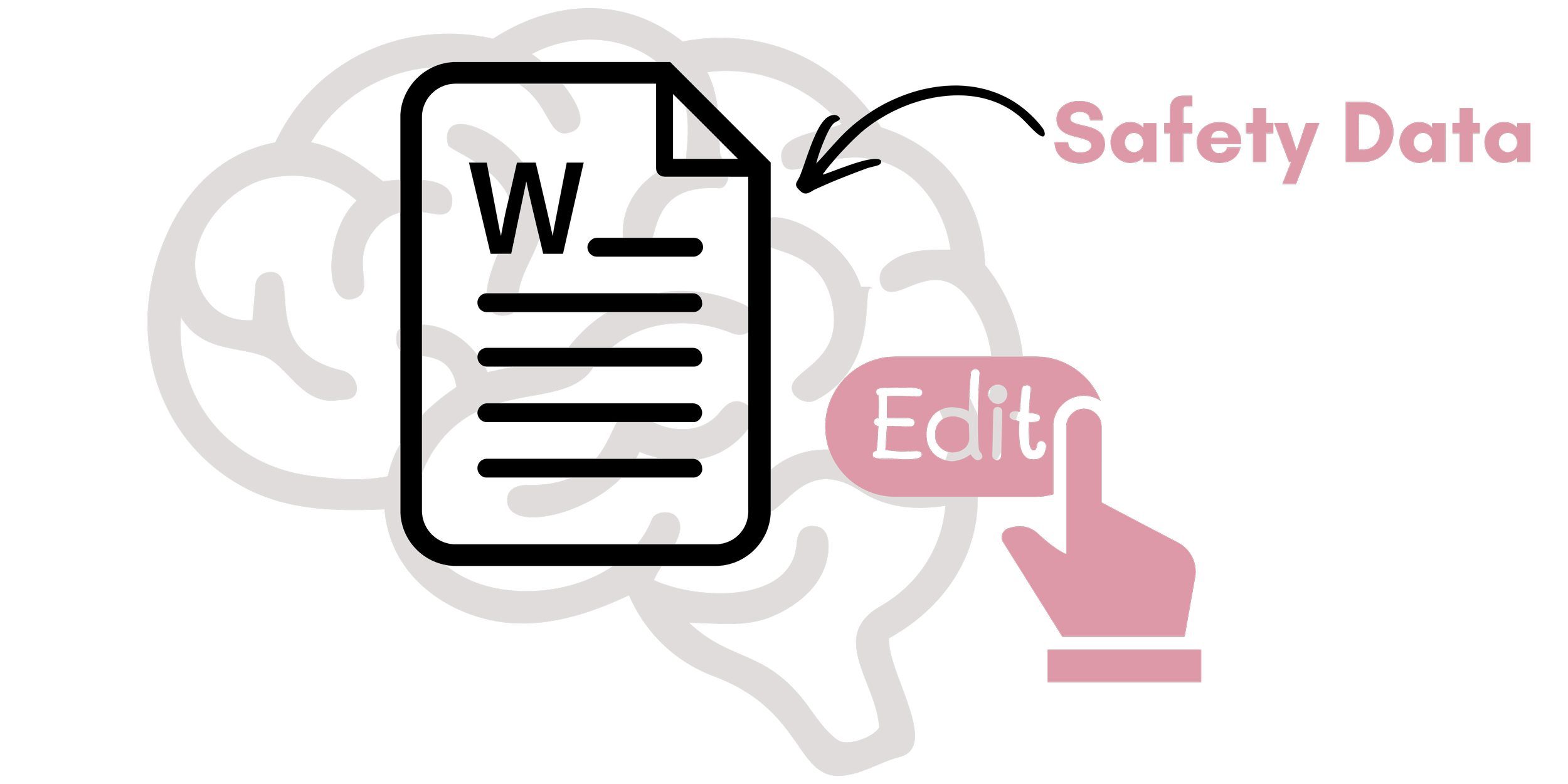
It’s like opening a word document. Before you open the file you cannot edit it. Once the file it open, you can delete words you don’t want in there (fear, trauma reactions, etc.) and add words you do want (safety, calm, etc.).
Then, you can save the file in its new form. So, the next time the brain opens the “mold file” it doesn’t produce a full nervous system meltdown….you just stay calm and feel fine.
The brain can learn:
The danger was real then.
It is not happening now.
I survived.
I am safe to relax now.
I can recognize a true problem without treating every smell, building, or symptom as a catastrophe.
I am safe to have short or small exposures.
I can feel well even with short or small exposures.
This process does not erase the past.
It does not make you forget what happened, or the wisdom that you learned.
You will still know that it’s not a good idea to live in a super mold toxic environment.
Memory reconsolidation simply changes the emotional charge attached to the memory, so that it can no longer trigger a trauma response in the present.
Think of it like updating the software in your brain. The old, out-of-date software keeps crashing your nervous system. So you uninstall it, and install the new software. Now, your system runs smoothly again.
Now, when you walk into that musty library, you brain, nervous system, and body remain calm, and you feel fine as you search for a book.
Healing Mold Trauma Will Not Make You Careless
Many people fear that if they stop being hypervigilant, they will miss another exposure.
They worry that fear is the only thing keeping them safe.
But fear and discernment are not the same.
Fear says:
“Every building may destroy me.”
“Every symptom means I’m relapsing.”
“I cannot trust myself to recognize danger unless I stay on high alert.”
Discernment says:
“I know what to look for.”
“I can gather information instead of worrying.”
“I can leave when something is truly unsafe.”
“I do not need to panic in order to protect myself.”
Resolving trauma does not take away your intelligence, knowledge, or boundaries.
Resolving the trauma allows you to feel calm, stop the cycle of reactivity, and use discernment instead to stay safe….so you can resume living a healthy, joyful life.
Signs Mold Illness PTSD May Be Affecting Your Recovery
Mold-related trauma may be keeping your nervous system stuck if:
You feel unsafe in nearly every unfamiliar building
Musty smells trigger immediate panic or physical symptoms
You constantly scan ceilings, vents, walls, and windows
You are terrified of bringing contaminated belongings into your home
Minor symptoms make you fear that you have relapsed
You avoid travel, social activities, appointments, or public spaces
You understand that you are safer now but cannot feel safe
You remain highly reactive even after leaving exposure
Nervous system practices help only briefly
Thoughts about mold cause a physical stress response
Your life is increasingly organized around exposure avoidance
You feel as though the original crisis is still happening
These patterns are signs that the brain learned to associate mold with overwhelming danger.
That learning can be changed.
Mold Recovery Must Address the Body and the Trauma
Mold illness should never be reduced to a nervous system problem.
Exposure must be addressed.
The physical consequences of mold illness may require medical treatment, detoxification support, immune support, gastrointestinal repair, hormonal support, mitochondrial repair, treatment of infections, and careful evaluation of other downstream effects.
But physical treatment alone often doesn’t rebalance a nervous system that got stuck in survival mode from mold.
A complete recovery approach may need to address:
Current environmental exposure
The toxic and inflammatory effects of mold
Downstream dysfunction throughout the body
Limbic and autonomic nervous system dysregulation
The traumatic memories keeping the danger response active
Leaving out the trauma can leave a person physically safer but still imprisoned by the experience.
Leaving out the physical illness can become another form of gaslighting.
Both matter.
Both deserve treatment.
Mold Illness PTSD Can Be Resolved
A trauma response is learned.
What the brain learns, it can also update.
The musty smell does not have to trigger panic forever.
A headache does not have to send you into a spiral.
You do not have to spend the rest of your life afraid of every building, belonging, symptom, or exposure possibility.
You can become appropriately cautious without being terrified.
You can listen to your body without monitoring it every second.
You can recognize real risk without living as though catastrophe is always one breath away.
You can feel safe again.
Because your brain no longer has to keep reliving it in order to protect you.
An Integrated Approach to Mold Illness Recovery
I am Dr. Karen Cureton, a naturopathic doctor specializing in mold illness, nervous system health, and memory reconsolidation.
I have lived through toxic mold illness and nervous system dysregulation myself. I understand how deeply mold can affect the body, the brain, your relationships, your finances, your identity, and your sense of safety in the world.
My work does not reduce mold illness to anxiety.
I help people address the physical reality of mold exposure while also resolving the trauma and nervous system patterns that can keep symptoms, sensitivities, and fear alive long after the original exposure ends.
When you are ready for mold recovery that takes both your body and your trauma seriously, explore how we can work together.
Medical Disclaimer: This article is for educational and informational purposes only and is not intended to provide medical advice, diagnosis, or treatment. Always consult with a qualified healthcare professional regarding your individual health needs.