
Brain Rewiring and Nervous System Healing
for Chronic Illness
Your body may be safe now.
But your nervous system may still be reacting to what happened before.
You can leave the toxic environment. You can do the detox, fix your gut, balance hormones, and support your immune system.
And still feel like your body never got the memo that the danger is over.
This is nervous system dysregulation. And for many people recovering from mold illness and chronic illness, it is the piece that keeps them stuck long after everything else has been addressed.
I specialize in memory reconsolidation-based brain rewiring to help your brain stop sounding the danger alarm when the danger is no longer present.
Licensed Naturopathic Physician
✔ Nervous System Healing Available Worldwide
✔ Specializing in Mold Illness and Chronic Illness Recovery
Why Your Nervous System Gets Stuck After Chronic Illness
Your nervous system has one job: decide whether you are safe.
When it decides you are not, everything changes. Fight, flight, or freeze takes over. Digestion, sleep, repair, and recovery all take a back seat.
The problem is not that this response exists. The problem is when it gets triggered too often by things aren’t life-or-death threats….or when it won’t turn off.
After toxic mold exposure, chronic illness, medical trauma, or prolonged stress, your brain can get locked into survival mode even after the original threat is gone. It keeps sounding the alarm because it learned, through real experience, that the world is not safe.
And that learning does not live in your logical mind. It lives in emotional memory networks that your brain uses automatically, below conscious awareness, to predict and protect you from danger.
That is why you can know you’re safe and still not feel it.
That is why breathing exercises help for a moment and then the alarm comes right back on.
That is why you can make real physical progress and still feel like you’re not yourself.
This is not weakness. This is a stuck nervous system doing exactly what it was trained to do.
Signs Your Nervous System Is Still in Survival Mode
Nervous system dysregulation after mold illness and chronic illness can look different for different people. You may notice:
Anxiety or panic
Depression, feeling shutdown, easily overwhelmed, and unable to cope
Trouble sleeping because your brain never fully shuts off
Feeling wired and exhausted at the same time
Physical symptoms that flare immediately with stress or conflict
Intense reactions to foods, supplements, smells, chemicals, light, sound, or environments
Scanning buildings for odors, water stains, or signs of mold
Monitoring your body constantly for signs something is wrong
Spiraling fear when a new symptom appears
Logical awareness that you are safer now but a body that does not believe it
Medical appointments, lab results, or treatment changes triggering overwhelm
Hours spent researching, analyzing, or trying to figure out what your body is reacting to
Progress that stalls no matter what physical treatment you add
If this sounds familiar, the issue is likely not what you are missing in your treatment protocol. It is that your nervous system has not been updated to reflect your current reality.
For a full picture of what may be driving your chronic symptoms, see Mold Toxicity Treatment and CIRS Treatment.
Breathing exercises, meditation, vagal toning, somatic work, and most standard brain retraining programs work by creating new experiences of safety.
For some people, that’s enough.
For others, progress is slow, temporary, or never fully takes hold.
The reason is that your brain still holds powerful stored evidence (memories) that you’re not safe, which is the opposite of what you’re trying to teach it.
You can “practice” feeling safe while another part of your brain is pulling from years of experiences that say otherwise. You can even intellectually know that you’re safe now, while your body keeps turning on survival mode.
In a battle against your conscious mind, the more primitive survival part of your brain always wins because its much more powerful, and for good reason. It’s job is to keep you alive. If it doesn’t trust that you’re safe, the alarm stays on and whatever you’re thinking makes no difference.
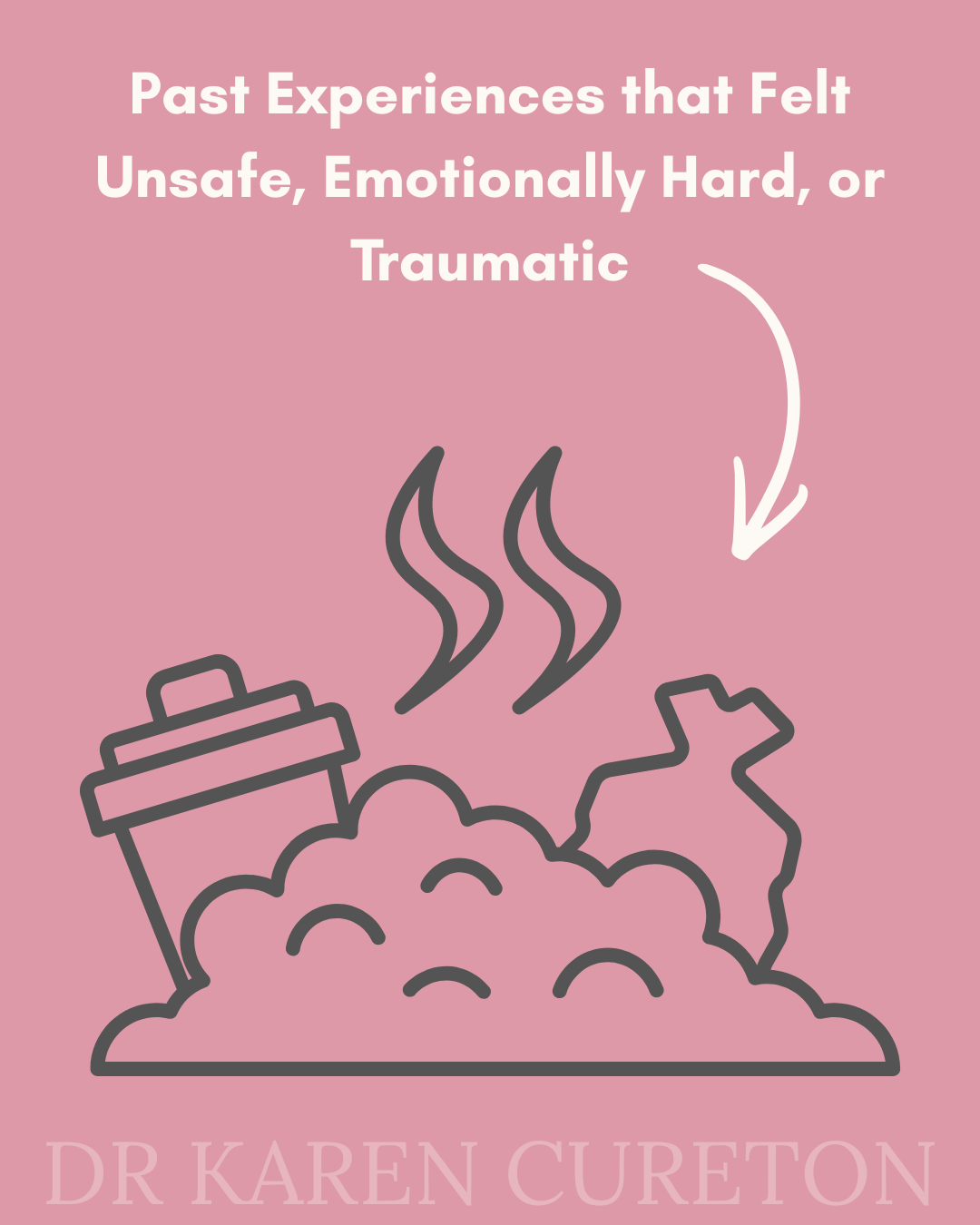
For this reason the “practice makes perfect” styles of limbic system retraining, for many people, are like trying to build your dream house on top of a pile of garbage.
You can build a beautiful house, but it will always be unstable and stinky because you never cleared out what was underneath.
That older learning (the garbage) cannot be changed with affirmations, willpower, or nervous system regulation practices like deep breathing or meditation.
It responds to a specific neurological process called memory reconsolidation.
Why Calming the Nervous System Is Not Always Enough
Memory Reconsolidation:
Updating the Threat Learning at the Source
Memory reconsolidation is the brain's natural process for updating previously learned information.
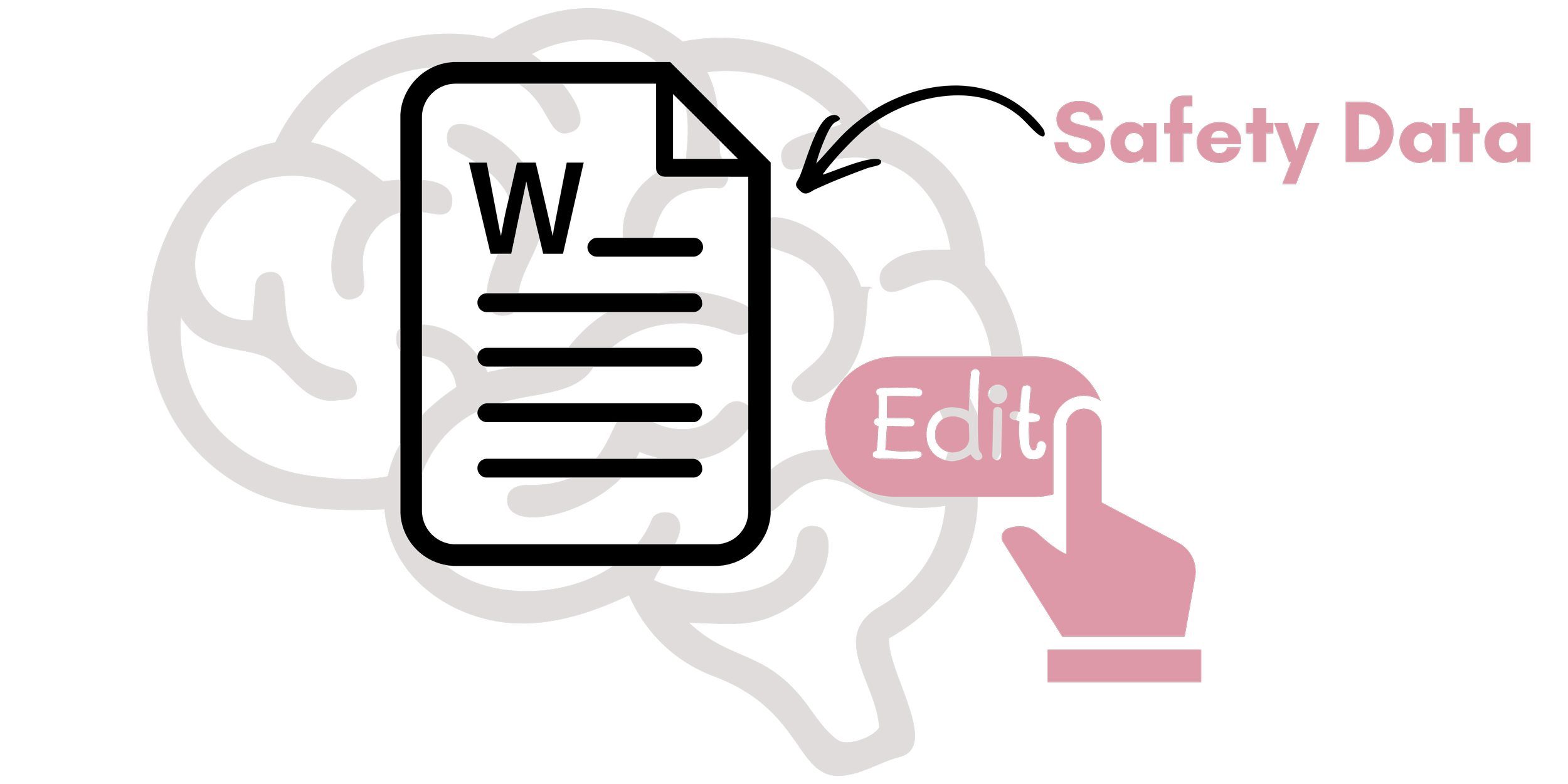
Memories are not fixed. When specific emotional learnings are activated in the right way, they temporarily become changeable. During that window, new information can be integrated into the old learning, and the memory is saved in its updated form.
Think of it like editing a word document on your computer. When the file is closed, you cannot change it. When you open it, you can edit it fully. When you save and close it, the new version is what remains.
We open the file for the relevant threat pattern. We add accurate safety information. We save the updated version.
This is how we take out the garbage, meaning all the information from past experiences that taught your brain to be on guard at all times.
When you update memories, you don’t forget what happened, but you also can’t relive it and feel like it’s happening again right now.
Essentially, we change how it affects you now.
The memory that used to trigger clenching in your stomach, anxiety, anger, and a fluttering in your chest, after the memory reconsolidation process, will feel like just a story, without any emotional charge or bodily sensation.
As a result, that old file will no longer trigger the same automatic survival response in the present, when something reminds you of it.
That is a very different outcome from learning to cope with a trigger or trauma. It’s actually resolving it.
I Don’t Want You Managing the Alarm Forever
If your nervous system has learned that a certain smell, body sensation, food, building, medical situation, relationship dynamic, or memory means danger, you can spend an enormous amount of energy trying to calm yourself every time that alarm goes off.
My goal is different.
I want to find out why the alarm keeps going off in the first place.
Then we work with the underlying learning that tells your brain the threat is still present.
As those threat associations change, things that once triggered a strong emotional or physical reaction can begin to feel more neutral.
You don’t have to constantly argue with your brain.
You don’t have to spend every day trying to regulate yourself perfectly.
Your nervous system has less to regulate because it is encountering fewer false alarms.
That creates space for something many people with chronic illness have been missing for a long time:
A body that can stop bracing and get back to living.
What We Work On Together
Sessions are individualized. We follow the patterns your nervous system is actually presenting us, not a fixed script or curriculum.
Work may include:
Mold Illness and Chronic Illness Trauma
Being chronically ill changes your relationship with your body and with the world. You may have lost your home, your income, your independence, your relationships, or your trust in your own body. You may have spent years being dismissed by practitioners while knowing something was deeply wrong.
Those experiences left an imprint. We work directly to heal that trauma so your past stops dictating your physiology in the present.
Fear of Symptoms and Relapse
A headache, fatigue, brain fog, digestive reaction, or heart palpitation can send your brain immediately into: something is wrong, I’m getting sick again, what did I get exposed to?
We work to separate the present sensation from all the fear and history your brain has attached to it, so each new sensation does not restart the spiral.
Environmental Hypervigilance
After mold illness, walking into an unfamiliar building can feel like entering a minefield. Some environmental awareness is appropriate and I will never ask you to ignore genuine risk. That being said, our bodies were designed to handle small exposures.
The goal is to be able to assess your environment from discernment rather than from a nervous system already braced for harm. I find that when we rewire and stop the fear of short, brief, or small exposures, reactions to those limited exposures stop….because the nervous system was at the root of those reactions.
Medical and Treatment Trauma
Previous reactions, difficult side effects, dismissive practitioners, or treatments that made you worse can make your brain treat any new medical experience as a threat. That history can be updated so that getting care no longer triggers the same fear response.
Patterns That Predate Your Illness
Nervous system dysregulation does not always start with chronic illness. Perfectionism, people-pleasing, overachieving, childhood instability, relationship trauma, always needing to hold everything together. These patterns can leave the nervous system with very little reserve even before physical illness arrives. When relevant, we work with those deeper patterns too.
This Is Not “It's All in Your Head"
This distinction matters deeply to me.
If you became ill from toxic mold, infection, or environmental exposure, nervous system work does not erase that reality.
I do not believe brain retraining makes harmful exposures harmless.
I do not believe every symptom is caused by the nervous system.
What I know from both clinical experience and my own recovery is that physical illness can dysregulate the nervous system, and a chronically dysregulated nervous system makes recovery harder, amplifies reactivity, and keeps people stuck long after the original driver has been addressed.
Both are real. Both matter. My work respects both.
If you are still in the investigation stage and not sure whether mold is involved, start with Mold Toxicity Testing and Diagnosis or take the Mold Symptom Assessment.
Calm the Alarm: One on One Brain Rewiring Program
Calm the Alarm is my personalized brain rewiring and nervous system healing program for people whose nervous system remains stuck in patterns of threat, hypervigilance, reactivity, fear, or shutdown.
It is especially suited to people recovering from mold illness or chronic illness, though the work also addresses earlier experiences and trauma that continue to influence nervous system regulation today.
Our work together may include:
Identifying the experiences and emotional learnings driving current threat responses
Memory reconsolidation based updating of stored threat patterns
Resolving chronic illness and mold related trauma
Reducing hypervigilance around symptoms and exposures
Working with fear of relapse or re-exposure
Rewiring reactions connected to medical care and treatment
Building greater nervous system flexibility and resilience
Sessions are one on one. Between sessions, I create recorded guided processes made specifically for you and what you are working on.
This is available to clients anywhere in the world, not only Oregon and Colorado.
Who This Work Is a Good Fit For
Calm the Alarm may be worth exploring if you:
Have made physical progress but still feel stuck mentally, emotionally, or neurologically
Feel constantly activated, anxious, vigilant, or overwhelmed
React intensely to environments, symptoms, foods, supplements, or treatments
Are afraid of another mold exposure or health relapse
Logically know you are safer now but cannot seem to feel it
Have tried other brain retraining programs and found the effects limited or temporary
Have done therapy and understand your trauma intellectually but still feel it in your body
Notice that stress reliably causes physical symptoms to flare
Are tired of organizing your life around avoiding every possible trigger
You do not need to identify as someone who has trauma for this work to be relevant. Sometimes the clearest sign is simply that your reaction feels much bigger than the situation in front of you.
Why I Do This Work
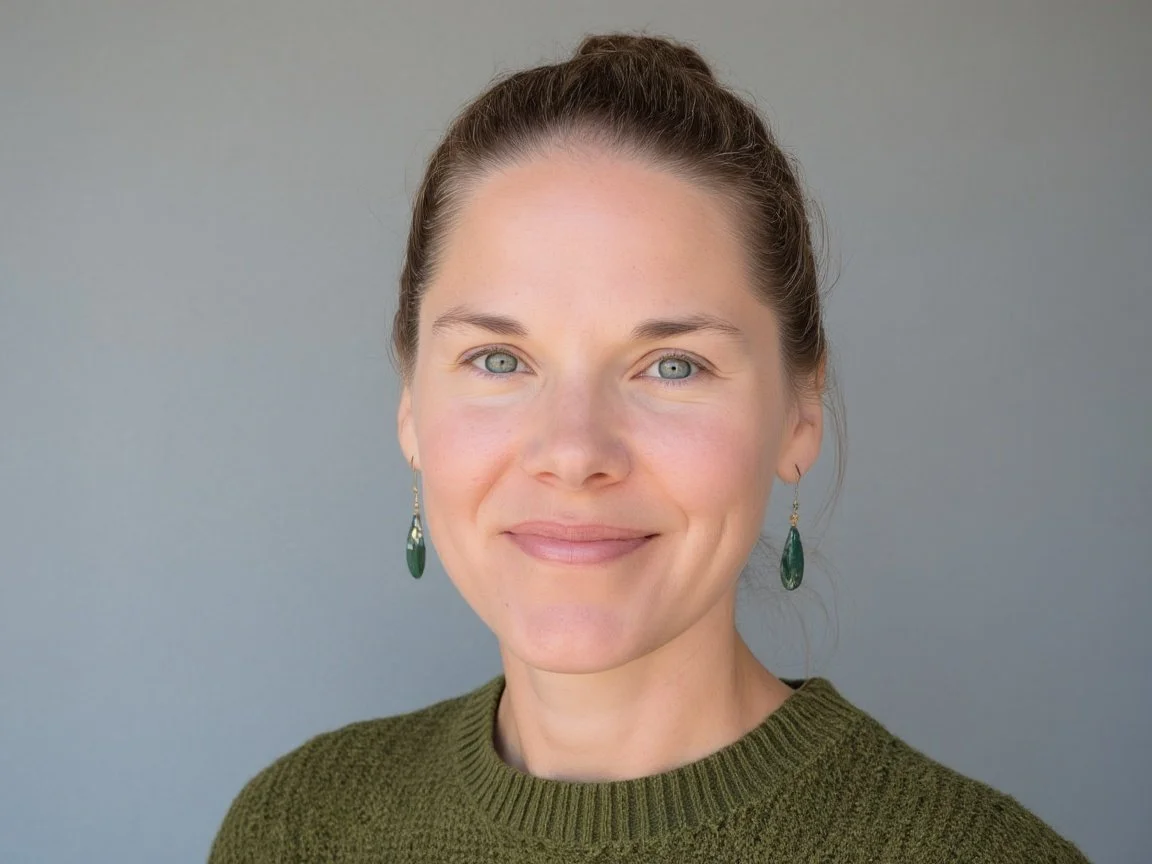
I’m Dr. Karen Cureton, a naturopathic physician specializing in mold illness and nervous system healing.
I came to this work both professionally and personally. I spent years dealing with chronic illness, mold toxicity, and nervous system dysregulation myself. I tried many of the approaches people commonly use for mental and emotional healing, including basic brain retraining programs, talk therapy, EMDR, psychedelic therapy, energy work, and more.
Some helped temporarily. None of them gave me a new default state of safety and calm that actually held.
What finally worked was memory reconsolidation based approaches that updated the stored threat learning at its source (memories) rather than just practicing feeling safe. That’s when my nervous system finally stopped treating the present as a repeat of the past.
Because I also understand mold illness and complex chronic illness medically, I will never ask you to choose between acknowledging your physiology and addressing your nervous system. For most people, both are essential parts of recovery.
Patients in Oregon and Colorado also have access to full naturopathic mold illness care alongside this work. See Mold Illness Care in Oregon and Mold Illness Care in Colorado.
The Goal Is Not Perfect Regulation. It Is Resilience.
Nervous system healing does not mean you will never feel stress again.
The goal is a nervous system that returns to baseline more easily. One that can encounter discomfort without immediately spiraling. One that can assess risk without treating everything as an emergency.
That looks like:
Walking into a building without spending hours analyzing whether you were exposed
Noticing a symptom without assuming your recovery is unraveling
Having a difficult conversation without losing the rest of your day
Making health decisions from clarity rather than fear
Trusting your body and your own judgment again
Your world begins to get bigger again. That’s what this world can help you achieve.
Frequently Asked Questions
-
Most standard brain retraining programs work by repeatedly practicing new experiences of safety. That approach helps many people. For others, particularly those with deeper or more layered trauma, it is not enough because the older threat learning is still intact underneath. Memory reconsolidation based work goes a step further by directly updating that stored learning rather than building new responses on top of it. If other programs gave you partial or temporary results, this may be the missing piece.
-
No. This is not psychotherapy and I do not diagnose or treat mental health conditions. This is nervous system and brain rewiring work conducted by a naturopathic physician. If you are working with a therapist, this work can complement that process well.
-
No. Memory reconsolidation based work does not require you to retell or relive difficult experiences in detail. The pocess is designed to be manageable and in many cases is genuinely enjoyable once you understand how it works.
-
Absolutely not. If you became ill from toxic mold or another physical cause, that is real. Nervous system work does not replace addressing the physical drivers of illness. It addresses what the illness, the stress, and the trauma left behind in your nervous system, which for many people is what keeps recovery from completing.
-
No. The goal is not to make significant harmful exposures feel safe. The goal is to reduce the nervous system's hyperreactive baseline so you can assess genuine risk clearly rather than from a place of constant fear. You will still recognize real danger. You will simply stop experiencing everything as danger. When that happens, most people stop reacting to small, insignificant exposures.
-
Therapy is valuable and this work is different from most therapeutic approaches. Many people who have done significant therapy find they understand their history well intellectually but still feel it strongly in their body. Memory reconsolidation based work targets that gap specifically, the place where intellectual understanding and felt experience do not yet match.
-
Nervous system work can begin at any stage, but addressing the exposure source is important for full recovery. If you are still in an active mold environment, I can help you think through next steps. Starting nervous system work early can make the whole process feel so much less stressful, and keep symptoms from amplifying. Patients in Oregon and Colorado can also access full mold illness medical care through telehealth. See Mold Illness Care in Oregon and Mold Illness Care in Colorado.
Ready to Help Your Nervous System Feel Safer?
You have spent enough time organizing your life around what might go wrong.
This work will not make you careless. It will give you the calm, steady resilience that no amount of environmental control can provide on its own.
When you are ready to stop managing the alarm and start resolving it, book a free discovery call. We will talk through where you are, what you have already tried, and whether this work makes sense for you right now.