
Mold Toxicity Treatment | Naturopathic Mold Illness Doctor
Mold toxicity is one of the most common and most overlooked drivers of chronic illness.
If you’ve been dealing with symptoms that multiple doctors cannot explain, that get worse in certain buildings, or that have never fully resolved despite treatment, toxic mold exposure may be what has been missed.
I’m a mold literate naturopathic physician providing comprehensive mold toxicity treatment via telehealth for patients in Oregon and Colorado. I help patients identify mold as the root cause of their illness and build a personalized treatment plan to address it at the source.
Licensed Naturopathic Physician | 10+ Years in Mold Illness
✔ Mold Toxicity Treatment via Telehealth
✔ Oregon and Colorado
What Is Mold Toxicity?
Unlike outdoor mold exposure, indoor mold grows in enclosed, poorly ventilated spaces where mycotoxin concentrations build up over time. Modern airtight building construction makes this significantly worse by trapping toxins indoors with no way to escape.
What makes mold toxicity so difficult to identify is that:
Toxic mold is rarely visible and rarely smells musty
Most people have no known history of water damage or leaks
Toxic mold is common even in brand new buildings
Symptoms are wide ranging and mimic dozens of other conditions
Standard medical testing does not screen for mycotoxin exposure
For many patients, mold toxicity goes undetected for years while they are treated for the symptoms it causes without anyone identifying the source.
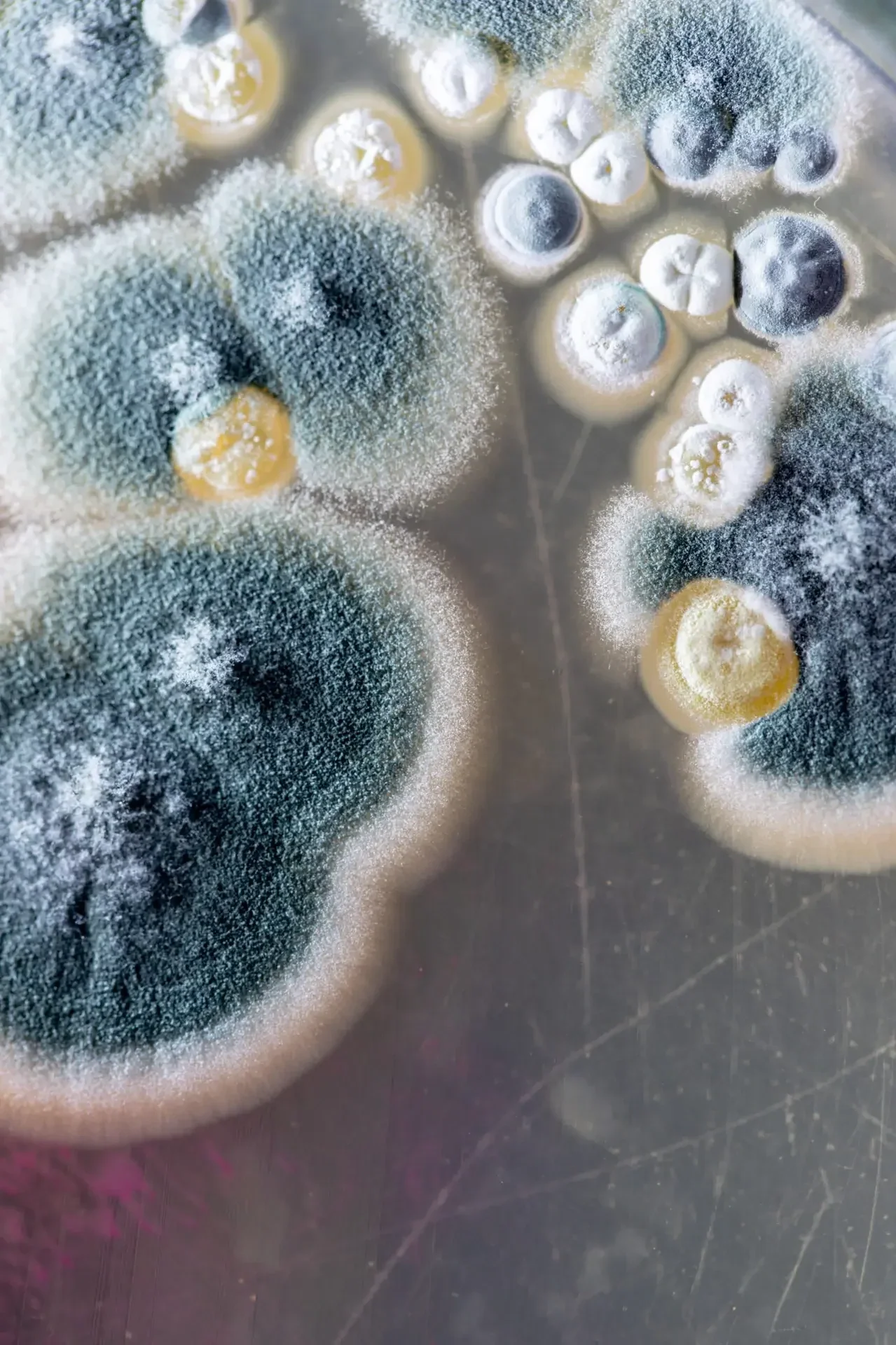
Mold toxicity occurs when the body accumulates mycotoxins from exposure to toxic mold growing indoors. Mycotoxins are chemical compounds produced by certain mold species when they grow in high concentrations indoors. Some are so toxic to human biology that they have been researched as biowarfare agents.
Mold Toxicity Symptoms
Mycotoxins affect every organ system at the cellular level. This is why mold toxicity produces such a wide and seemingly unrelated set of symptoms.
Common mold toxicity symptoms include:
Chronic fatigue regardless of how much you sleep
Brain fog, difficulty concentrating, and memory problems
Insomnia and unrefreshing sleep
Chronic headaches and migraines
Digestive problems including bloating, nausea, and diarrhea
Hormone imbalances
Muscle and joint pain
Chronic inflammation
Worsening allergies and chronic sinus issues
Eye Irritation and Vision Changes
Sensitivities to food, chemicals, EMFs, light, or sound
Skin rashes
Anxiety, depression, and mood instability
Unexplained weight gain
Low resilience to stress and exercise
Over time, mold toxicity pushes the body into a chronic state of stress, exhaustion, and reactivity. Symptoms amplify. Tolerance drops. The immune system, nervous system, hormonal system, digestive system, and energy production all begin to struggle simultaneously.
This is why so many people with mold toxicity get progressively worse despite doing everything else right for their health.

Why Mold Toxicity Stays Chronic
Even after leaving a moldy environment, mycotoxins accumulated in body tissue do not clear on their own for many people. Without targeted detox support, toxins recirculate and symptoms persist.
And even after the toxin load is addressed, many patients remain stuck for several other reasons:
Because mold has colonizated (is living in) the body, producing mycotoxins inside you, and causing chronic inflammtion.
Systems that have been damaged from mycotoxins haven’t gotten the support they need to repair, rebalance, and recover - often this is the gut, immune system, microbiome, mitochondria, and nervous system.
Because mold toxicity leaves the nervous system in a chronic state of dysregulation (fight/flight or freeze) that does not resolve automatically. See Nervous System Healing for Chronic Illness for how I address this as part of mold illness recovery.
So while detoxification is important, it’s only one piece of the 5 pillars of mold recovery.
Mold toxicity becomes a chronic condition when the real cause is never identified and addressed.
Most patients are told their symptoms are from stress, aging, hormone imbalances, gut problems, or infections. Some of that may even be partially true. But those are downstream effects, not the root cause.
Treating the downstream effects without addressing mold toxicity is like removing smoke without putting out the fire. The symptoms keep coming back because the source is still there.
My Approach to Mold Toxicity Treatment
I do not use a one size fits all protocol. Mold toxicity treatment has to be built around your specific toxin exposure, what systems of your body have been harmed, your detox capacity, your current symptom picture, and what your body can actually tolerate at each stage.
Here is how I approach it:
Full Clinical Evaluation

We start with a thorough history of your symptoms, their timeline, and any known or possible exposure to water damaged buildings. Many patients have no obvious history of mold but have spent significant time in buildings with hidden water damage.
Mold Toxicity Testing and Diagnosis
Before building a treatment plan, I want to know what we are actually dealing with. This includes mycotoxin antibody testing, mold antibody testing, and sometimes urine mycotoxin testing, OAT testing, the VCS test, and CIRS panels where indicated.
Once we confirm that the body is indicating toxic exposure, we then pursue environmental testing to identify the source of exposure. This may include testing for mold, mycotoxins, and if CIRS is suspected, endotoxins and actinomycetes as well.
Removing the Exposure Source
No treatment will succeed while active mold exposure continues. Identifying and addressing the source is a non-negotiable part of recovery. I help patients understand what this looks like practically, whether that means remediation, relocation, or both.
While you work to remove yourself from the toxic exposure, I start a treatment plan to protect your body from the exposure you’re already getting. This includes giving you ways to lower your exposure in your existing environment until you can remediate or move, as well as dietary and supplement protocols that help your body detoxify, reduce inflammation, protect your cells, and resist fungal infection.
Mold Detox and Mycotoxin Elimination
Once the exposure is controlled, the focus shifts to clearing accumulated mycotoxins from the body. This involves further opening detox pathways, using targeted binders matched to your specific mycotoxin profile, glutathione and glucuronidation support, and liver and kidney support to help your body process and eliminate the toxic load efficiently.
See Mold Detox Protocol and Binders for a detailed breakdown of this step.
CIRS Treatment Where Indicated
It is estimated that approximately 25 percent of people have a genetic susceptibility that causes the immune system to respond to mold toxins in a way that creates Chronic Inflammatory Response Syndrome. When CIRS is present, it requires additional targeted treatment beyond general mold detox. See CIRS Treatment for how I approach this.
Fungal Colonization Treatment & Microbiome Restoration
In a toxic mold environment, it is common for mold to begin growing inside our bodies, especially in the sinuses, lungs, or digestive tract. Candida and other fungal infections (like toenail fungus and jock itch) often get out of control as well. These fungal growths inside our bodies can be a source of ongoing mycotoxin exposure and cause chronic inflammation. For those reasons, a critical part of returning the body to homeostasis involves eradicating fungal colonization and rebalancing the microbiome of the sinuses, gut, and lungs.
Gut Repair
Mold toxicity damages the gut lining, disrupts the microbiome, and promotes fungal and pathogenic bacterial overgrowth in the digestive tract. This often leads to poor digestion, SIBO, SIFO, and food intolerances. Gut repair is a core part of treatment because a damaged gut impairs food breakdown, toxin elimination and keeps the immune system dysregulated.

Immune and Hormonal Rebalancing
Mold toxicity dysregulates the immune system and disrupts multiple hormonal pathways. These disruptions drive fatigue, cognitive impairment, sleep dysfunction, weight gain, MCAS or histamine symptoms, and mood instability. Targeted support based on your lab results addresses these directly.
Cellular Repair & Mitochondrial Support
Mycotoxins impair energy production at the cellular level by damaging mitochondria. This is a major driver of the crushing fatigue most mold toxicity patients experience. It can also impair full recovery because the energy made by mitochondria is required for every cell to function normally. Mycotoxins also damage cell membranes, which can lead to ongoing inflammation and cell dysfunction. Therefore, Cellular Repair & Mitochondrial support are important parts of a complete mold toxicity treatment plan.
Nervous System Healing
Chronic mold toxicity keeps the nervous system locked in survival mode. Even after the toxin load is addressed, many patients remain stuck because the nervous system has not reset. I address nervous system dysregulation as a core part of mold illness recovery, not a separate issue. See Nervous System Healing for Chronic Illness.
Mold Toxicity Treatment While Still in the Exposure Environment
If you know or suspect you are still living or working in a moldy environment, treatment can still begin. I provide protocols that support and protect the body during active exposure while you are working toward remediation or relocation.
Every protocol is customized to your situation. We work with your real life circumstances, not an ideal scenario.
Functional Medicine Mold Treatment
vs Conventional Medicine
Conventional medicine rarely diagnoses or treats mold toxicity.
Standard labs do not screen for mycotoxins. Most doctors are not trained to connect a patient's symptom picture to mold exposure. Patients are frequently told their results are normal or given diagnoses that treat symptoms without identifying the cause.
Functional and naturopathic medicine use specialized testing to identify mycotoxin exposure and its downstream effects, then build a treatment plan that addresses the root cause alongside all the systems it has disrupted.
I use prescription medications when appropriate alongside targeted supplements, herbal medicine, and lifestyle interventions. The approach is integrative and evidence informed, built around what your body actually needs.
I provide mold toxicity treatment via telehealth for patients across Oregon and Colorado. Most lab testing can be completed through kits sent directly to your home. No in person visits are required.
Mold Toxicity Treatment for Oregon and Colorado Patients
If you are in Oregon, see Mold Illness Care in Oregon
If you are in Colorado, see Mold Illness Care in Colorado
Frequently Asked Questions
-
The symptom picture of mold toxicity is wide ranging and overlaps with many other conditions, which is why it is so frequently missed. If you have chronic symptoms that multiple doctors have not been able to explain, that seem to be worse in certain buildings, or that have never fully resolved despite treatment, mold toxicity is worth investigating. Taking the mold symptom assessment on this site is a good starting point. A proper clinical evaluation and testing is the only way to know for certain.
-
No. Most people with mold toxicity never see visible mold in their environment. Toxic mold grows inside walls, under flooring, in HVAC systems, and in other hidden locations. The absence of visible mold does not rule out significant mold exposure.
-
Treatment can begin even if you are still in the exposure environment. However, full recovery requires addressing the source. We can start treatment while you work toward remediation or relocation and build a protocol that supports your body during that transition.
-
A standard detox is not designed to address mycotoxins. Mold toxicity treatment requires specific binders matched to your mycotoxin profile, support for the specific detox pathways involved in mycotoxin processing, and a sequenced approach that accounts for your toxin load, detox capacity, and symptom tolerance. It also addresses the downstream damage mold toxicity causes to the immune system, hormones, gut, mitochondria, and nervous system.
-
Recovery depends on how long you were exposed, how much toxin has accumulated, your genetic detox capacity, and how your body responds to treatment. I do not give predicted timelines or promised outcomes because recovery is individual. When the real drivers are identified and addressed properly, the body has a much better chance of actually healing.
-
Yes. Many patients with mold toxicity also meet criteria for CIRS. When that is the case, I address both as part of an integrated treatment plan. See CIRS Treatment.
Ready to Find Out if Mold Is What Has Been Keeping You Sick?
If you have been ill for a long time without real answers, mold toxicity may be the missing piece.
I provide comprehensive mold toxicity testing and naturopathic mold illness treatment via telehealth for patients in Oregon and Colorado. Book a free consult to talk through your history and whether a full mold toxicity evaluation makes sense for you.