
Choosing a mold-literate doctor comes down to three things: do they know how to test for mold toxicity and read the results correctly, do they they help you heal your environment so your body can heal, and do they have a plan for treating the toxic load, the fungal colonization, and repair of both the body and the nervous system.
The title on the website matters far less than how the doctor actually thinks. Here is how to tell the difference before you spend another dollar.
What "Mold-Literate" Actually Means (And What It Doesn't)
By the time most people start looking for a mold doctor, they have already seen several who were not one. So I understand the caution. You have been told your labs look fine, that it’s just stress, that it’s anxiety, maybe that it’s all in your head. Now you’re being careful, and you should be.
Here is the first thing to understand. "Mold-literate" is not a degree or a certificate, though it does require a lot of post-graduate specialty training. It is a way of practicing. A mold-literate doctor believes that toxic mold can make people genuinely, measurably sick, connects symptoms across different body systems to that root cause instead of treating them as separate problems, and knows how to investigate and treat environmental exposure. That mindset is what you are actually shopping for FIRST.
Then, you shop for knowledge and experience in getting mold sick patients well.
Mold-literate, mold-certified, functional, naturopathic: what the labels do and don't tell you
The labels get confusing fast, so let me sort them out.
A naturopathic physician is licensed to practice medicine in certain states and trained to look for root causes. A functional medicine doctor uses a similar root-cause approach and can come from several medical backgrounds.
"Certified" usually points to specific training in one named protocol.
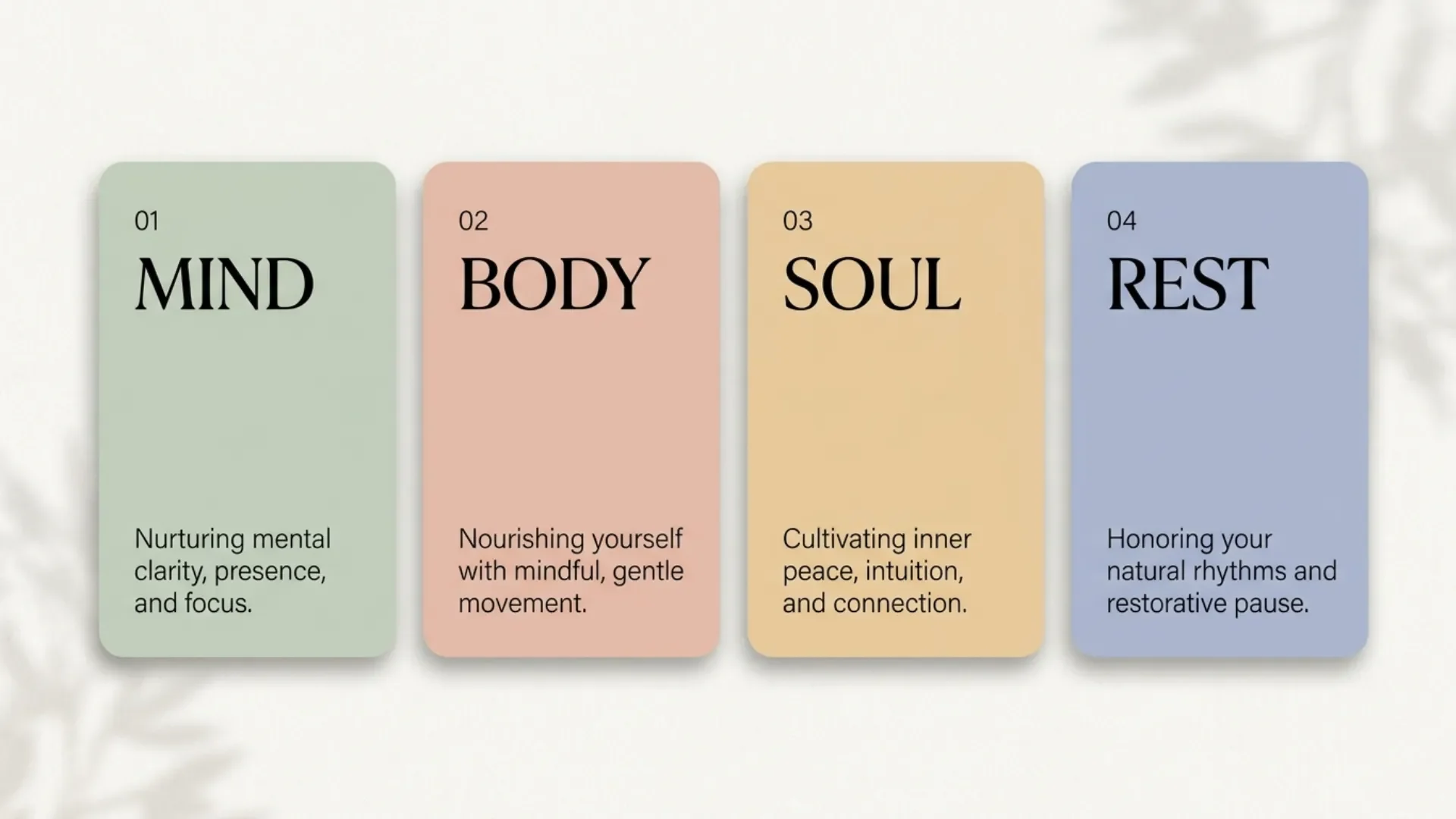
And "mold-literate" is the umbrella mindset I described above, usually with some training to treat mold-sick patients in one way or another, though that level of training can vary widely from practitioner to practitioner.
None of these labels, on their own, guarantees the person in front of you is good at treating mold. I have seen highly credentialed doctors have abysmal results with treating mold patients, and I have seen deeply knowledgeable practitioners without a specialty certificate get people well. What you want is evidence of how they work, not just a word on a bio.
Why a doctor who only knows one protocol can fail to help you heal
This is the part that surprises people. A doctor can be trained in a single well-known mold protocol and still get stuck with your case, because mold illness is rarely just one problem.
For a significant number of my patients, mold toxicity shows up alongside mast cell activation, gut dysfunction, mitochondrial dysfunction, fungal colonization, or a nervous system that has been in survival mode for years. If a doctor runs the same fixed sequence on everyone, the people who do not fit that sequence don’t get well. They’re the ones who tell me they "failed" treatment somewhere else. Usually they did not fail anything. The plan just was not built for their actual body.
A number of the “big name” mold protocols out there only focus on one aspect of how mold affects the body, one focuses on the toxins, the other focuses on fungal colonization. Neither addresses the full picture of disease that mold causes. When the whole picture isn’t addressed, people don’t get well.
The Questions That Separate a Real Mold Doctor From a Guess
You don’t need to be a medical expert to vet a doctor. You need a few good questions and the willingness to notice how they answer.

What to ask about testing, exposure history, and the plan if you're still in mold
Ask what tests they use and why. A capable mold doctor should talk comfortably about mycotoxin testing, CIRS markers, and visual contrast sensitivity testing, and should explain that lab numbers are read alongside your symptoms and your exposure history, not in isolation.
Ask if they strictly follow one protocol. In my opinion, if they say yes, this isn’t a good sign. Again, treatment has to be tailored to your individual body and exposure to get you to the finish line. Strict protocols leave a lot of people sick.
Ask if they address the 3 critical components of mold recovery: the toxic burden in your body, fungal colonization, and repairing the damaged body systems. Mold recovery isn’t just a detox problem, but not all doctors got the memo.
Ask what happens if you are still living in the mold. This one is revealing. If a doctor has no plan for patients who cannot move or remediate immediately, that is a real gap. I build protocols to support and protect the body while someone works toward getting out of the exposure, because real life does not pause for treatment.
Ask how they support patients in healing their environment - whether that be remediation, moving, or temporary housing. They should have abundant resources to help you with this piece because it’s critical for it to be done right for you to heal.
And pay attention to how they treat you in the conversation. If a provider makes you feel small, rushed, or dismissed, that is not a minor personality quirk. You are about to trust this person with a long, demanding recovery. It needs to be someone who takes you seriously.
The question almost nobody asks: do they treat the nervous system too?
Here is the question I wish more people asked. Does the doctor address the nervous system as part of treatment, or only the toxins and infections?
I bring this up because it’s the piece most often missing.
When the body has been under the stress of chronic illness and toxic exposure for a long time, the nervous system gets locked into a kind of alarm state. Even after the mold is handled and detox is underway, many people stay symptomatic because that alarm never switched off. I treat the toxic load and the nervous system together, which is why I wrote more about the nervous system's role in mold recovery. A doctor who ignores this half of the picture can do everything else right and still leave you plateaued.
Telehealth Changes Who You Can Actually See (If the Licensing Lines Up)
For a long time, the cruel part of this illness was geography. If there was no mold-literate doctor in your city, you were out of luck. Telehealth has changed that to some degree, and it means the best fit for you might be someone you never meet in person.
Why location still matters even for virtual care
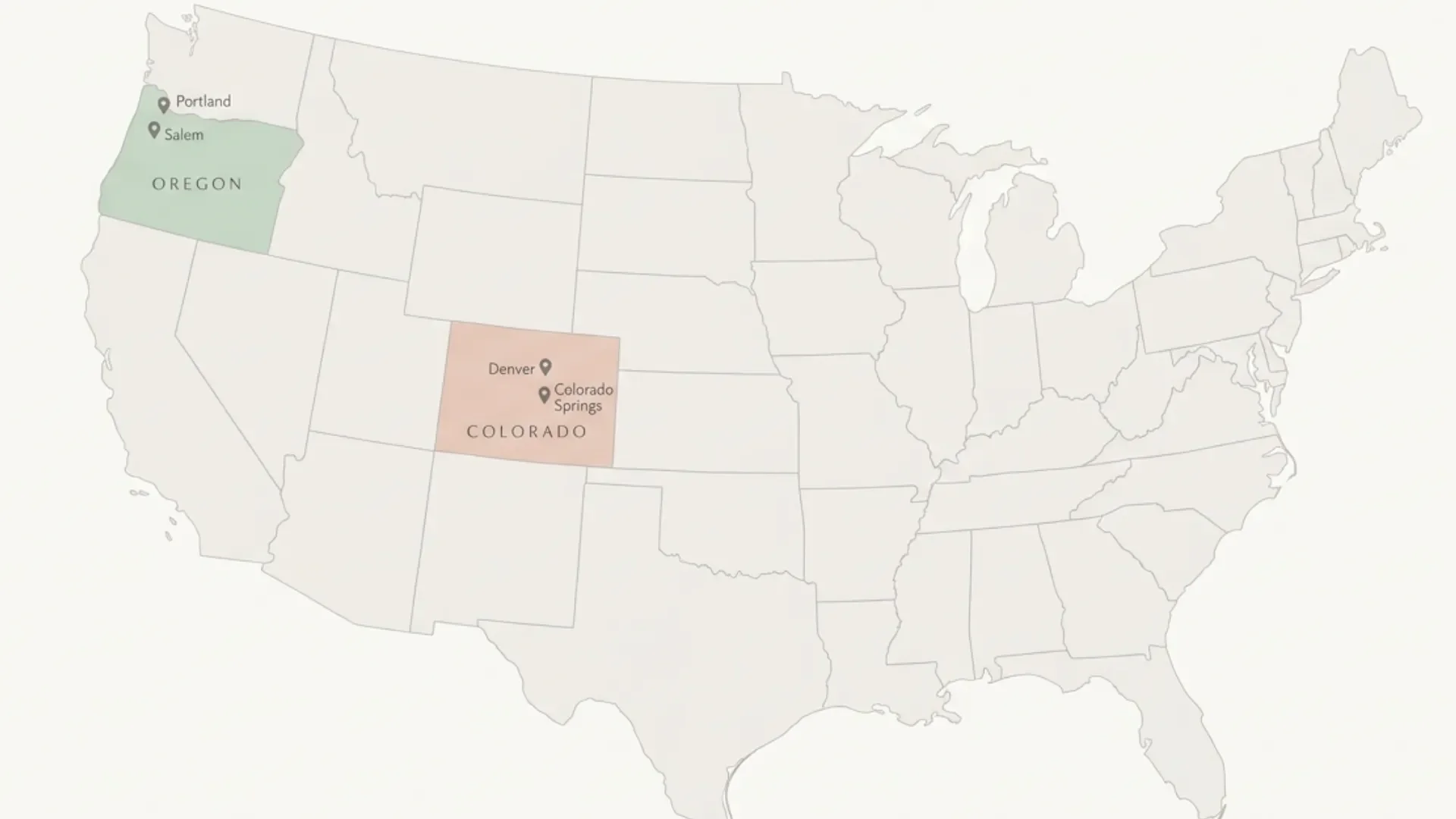
There is one catch worth knowing. A licensed naturopathic physician can only provide medical care in the states where they hold a license. So even with telehealth, your location still determines which doctors can legally treat you.
I practice entirely through telehealth and provide naturopathic medical care to patients in Oregon and Colorado, with most lab testing done through kits sent to your home. If you are in Oregon or Colorado, that distance is no longer the thing standing between you and a mold-literate doctor.
Stop Guessing and Start With Someone Who Fits
You have already spent enough time, money, and hope on providers who were not built for this. The next one should be different, and now you know how to check.
If you already know that mold has impacted your health or you’re suspecting it, book a free Chronic Illness Clarity Call with me, and we can discuss what working with me would look like.
If you’re still not sure if mold is what’s driving your symptoms, the simplest first step is to take the same mold symptom assessment I use with new patients. It walks through your symptom pattern and helps you understand whether mold could be driving what you are experiencing. From there, you’ll know whether it makes sense for us to talk. I offer a free chronic illness clarity call for us to meet before working together. No pressure, just a clearer picture of what has actually been keeping you sick.
Take the Mold Assessment and find out if mold could be the missing piece in your case.
